


It has been about a week since our 2019 year in review and since then, another major blow to the crypto community has taken place. VeChain, a blockchain project based in Singapore, reported that their buyback address had been compromised with the loss of 1.1 billion VET. The loss is valued at around $6.5 million USD.
What is VeChain?

Photo credit: Crypto Up Close
VeChain is a platform that uses a blockchain supply chain analysis system that helps clients around the world determine product quality. Some clients that support VeChain include Walmart China and BMW. Its blockchain is run through smart contracts with transaction fees being backed by its own tokens - VeChain (VET) and VeThor (VTHO).
The VeChain Hack: What Happened?
According to VeChain, the attack was most likely a result of human error and has since been corrected. They are also confident that this security hiccup in no way represents a flaw in their network or wallet procedures.
Since the breach, VeChain has released the address that the funds were transferred to in order to notify all other exchanges to halt any transactions coming in or out of it. They have also enlisted Hacken and local Singaporean law enforcement to aid in the investigation. More details can be found from their official statement.
December 22, 2019 Update
VeChain released a public statement today going over more details regarding the hack. Here's what they decided:
- A vote will be held among all stakeholders on whether or not to burn all the VET tokens that were stolen and blocklist all blocked addresses.
- CFO, Jay Zhang, will officially step down from his position and take a 50% salary cut for the year 2020.
- CEO, Sunny Lu, will also take a 50% salary cut for the year 2020.
While it is unfortunate that this hack even happened in the first place, it is very commendable the way VeChain is handling the situation.
What Can We Learn from the VeChain Hack?
Currently, VeChain has a fixed supply of VET at around 86 billion tokens so the security breach only accounted for about 1% of its market cap. While it does not sound like a substantial amount, we feel that any sort of amount, big or small, should not be taken lightly. It is reassuring that they are being proactive about the situation and will hopefully bring good news in the coming weeks.
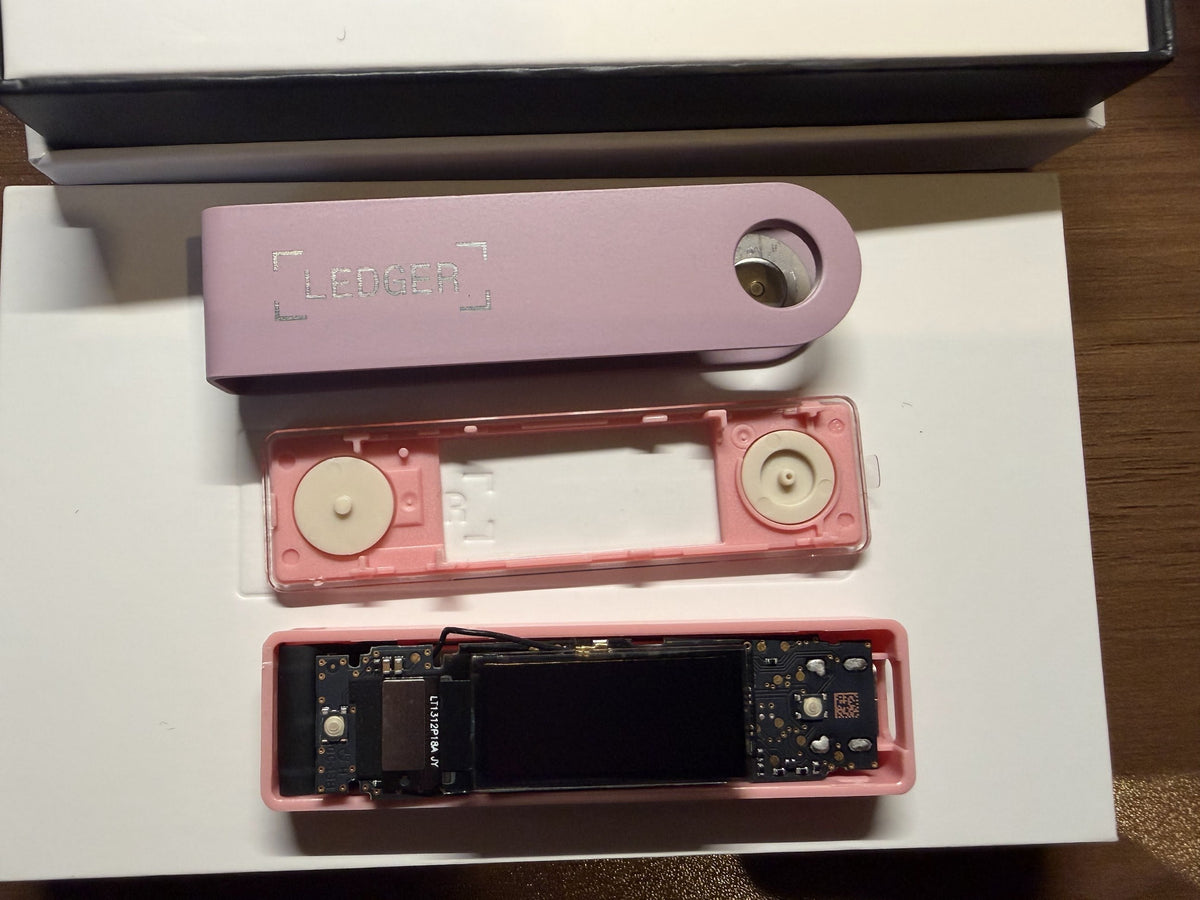
The crypto community has been no stranger to various hacks and scams over the past decade and while we would like to remain optimistic going into the new year, caution should always be exercised when investing. Between the exit scams and various hacks this year, our word of advice is to always take your tokens out of exchanges and put them into a hardware wallet. The risk of potentially losing your investments over someone else's mistake is just not worth it.
Share:
Can Blockchain Save Our Privacy Before It Disappears?
"Don't Give Up Hope" at the 3rd Hit AI & Blockchain Summit in Taipei